


MaXon Systems
Counter-Drone
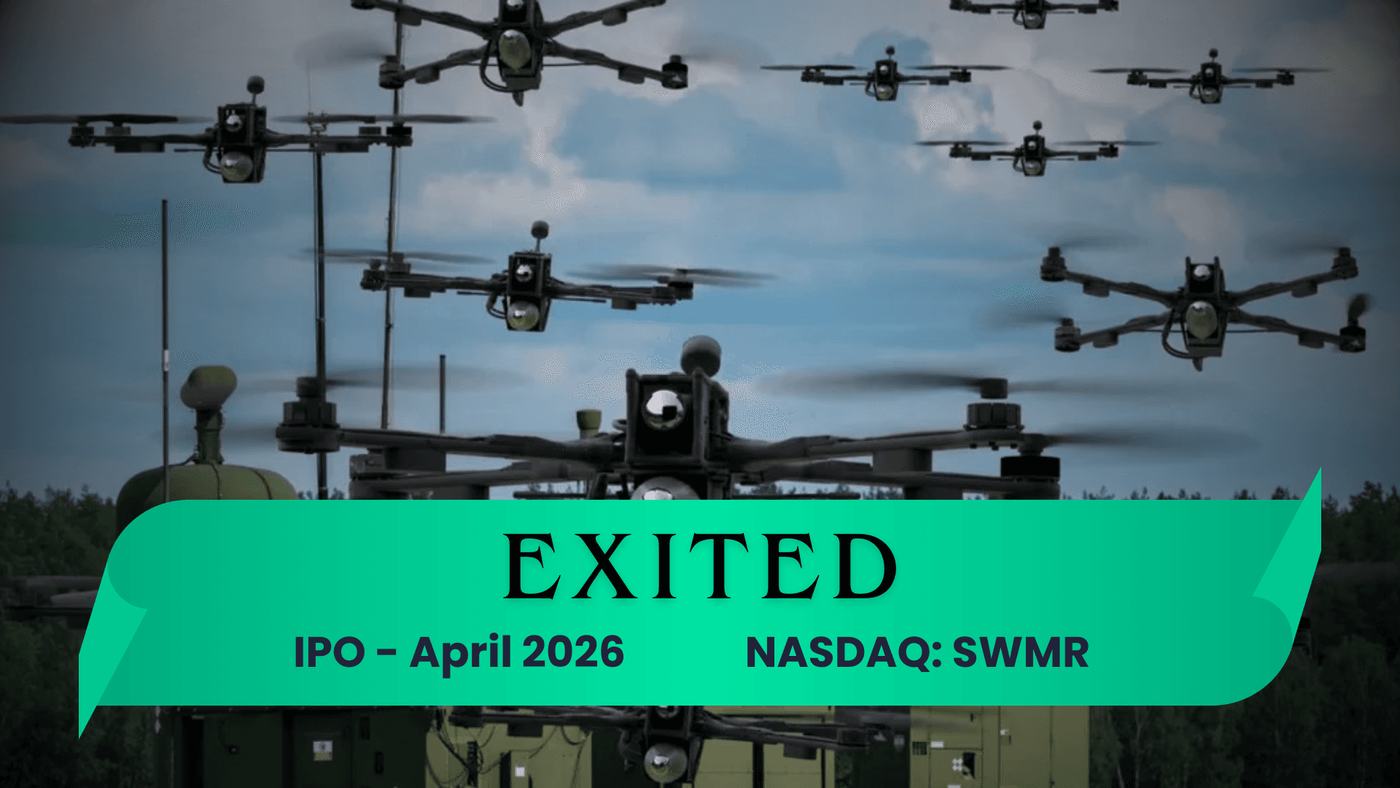
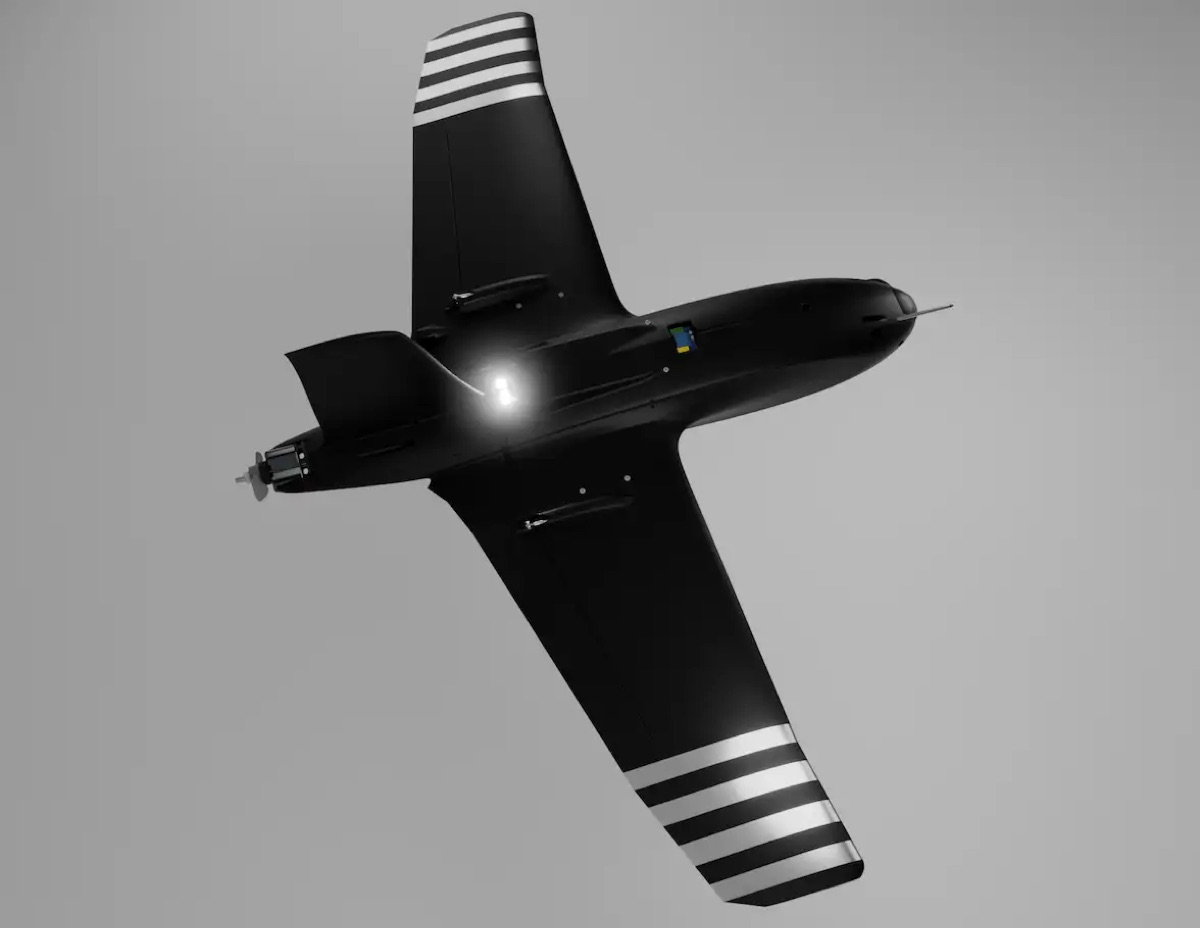
Cost-effective, autonomous air-to-air interception system to protect cities and critical infrastructure from long-range strike drones.
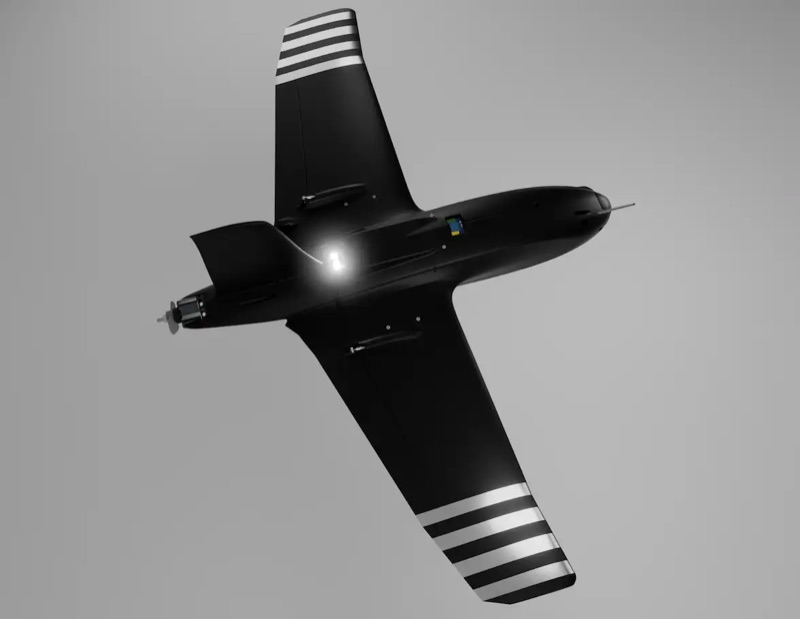
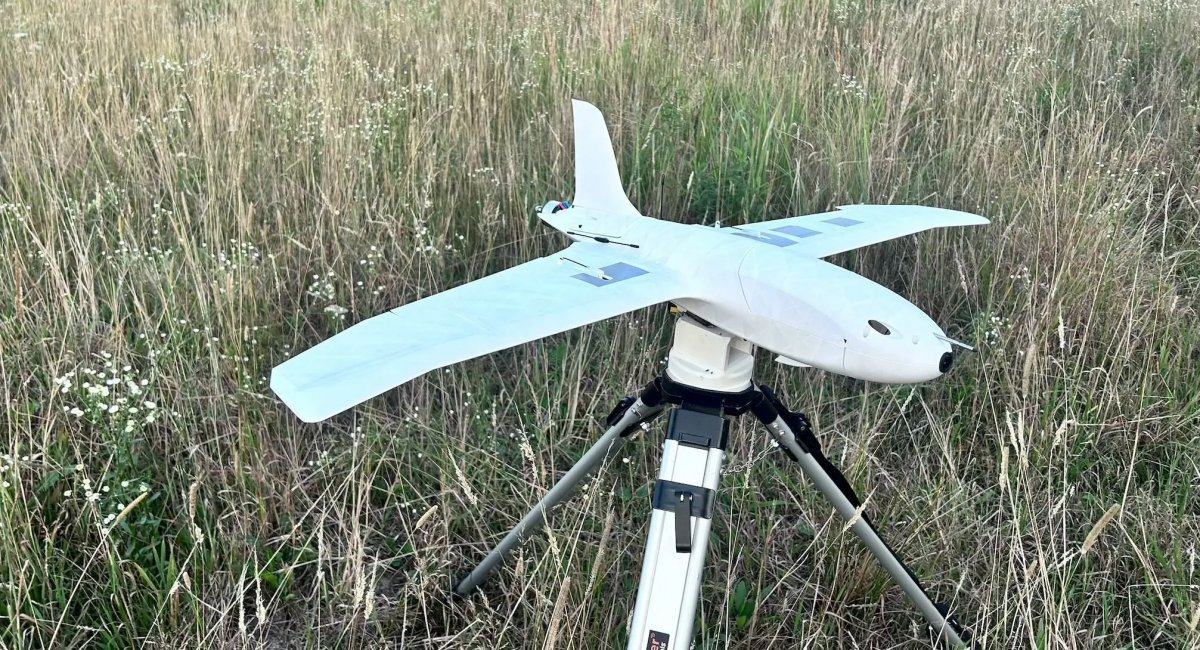
Its Eichel interceptor and integrated detection, targeting, and guidance software engage Shahed-type drones autonomously in GPS-denied, heavily jammed conditions.
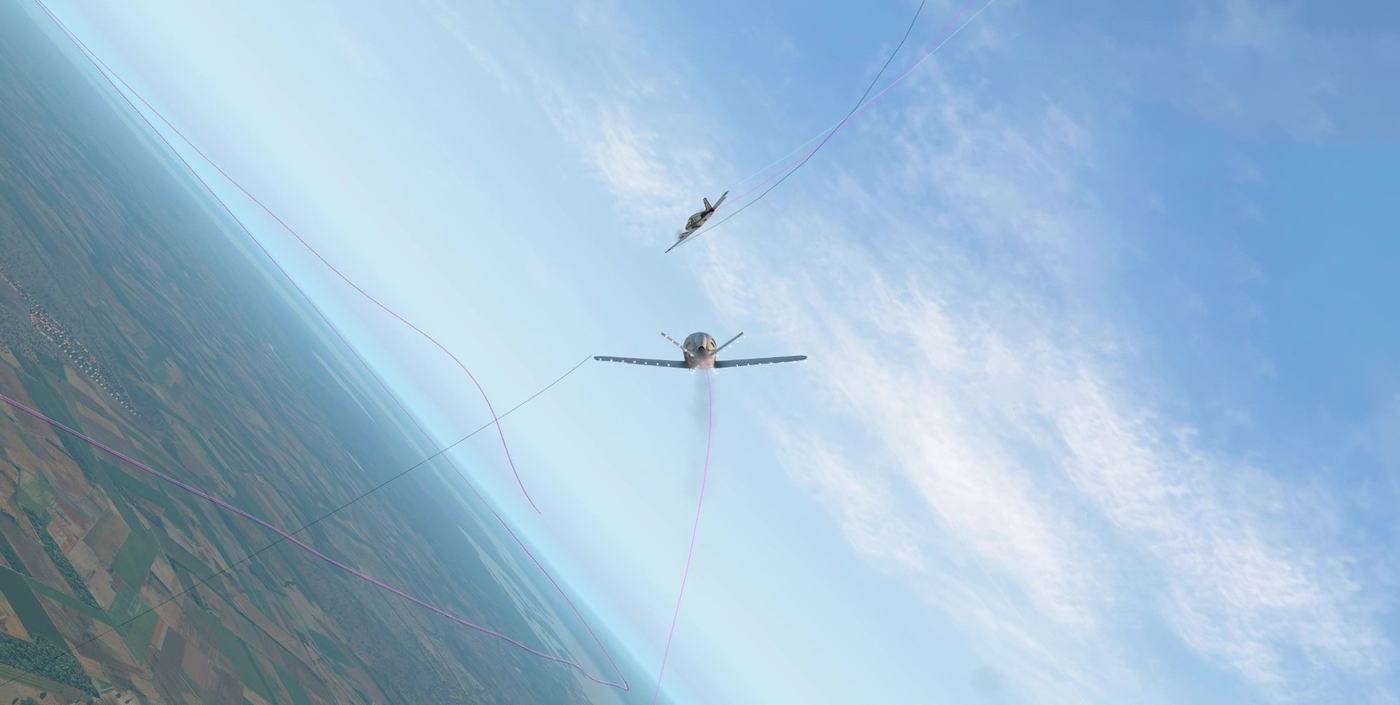
Achieved a battlefield-confirmed, fully autonomous interception of a Shahed-type drone in June 2026, publicly confirmed by Deputy Prime Minister Mykhailo Fedorov.
More about MaXon Systems
- Sector
- Counter-Drone
- Sub-sector
- Air-to-Air Sector Defense
- Business model
- Hardware / Software
- Vintage
- 2025 (Q1)
MaXon is building an autonomous air defense system designed to counter mass Shahed-type drone attacks, where today's manual FPV intercept model does not scale. Its detect-to-defeat stack pairs a proprietary high-speed interceptor (Eichel) with integrated detection, targeting, and guidance software built to function in GPS-denied, EW-heavy conditions. The goal is to shift interception from pilot workload to software execution.
In MaXon's current workflow, the system compresses an intercept into a tight sequence of actions: launch, target selection, and engagement confirmation. This enables a remote command post to dispatch multiple interceptors against multiple targets in parallel.
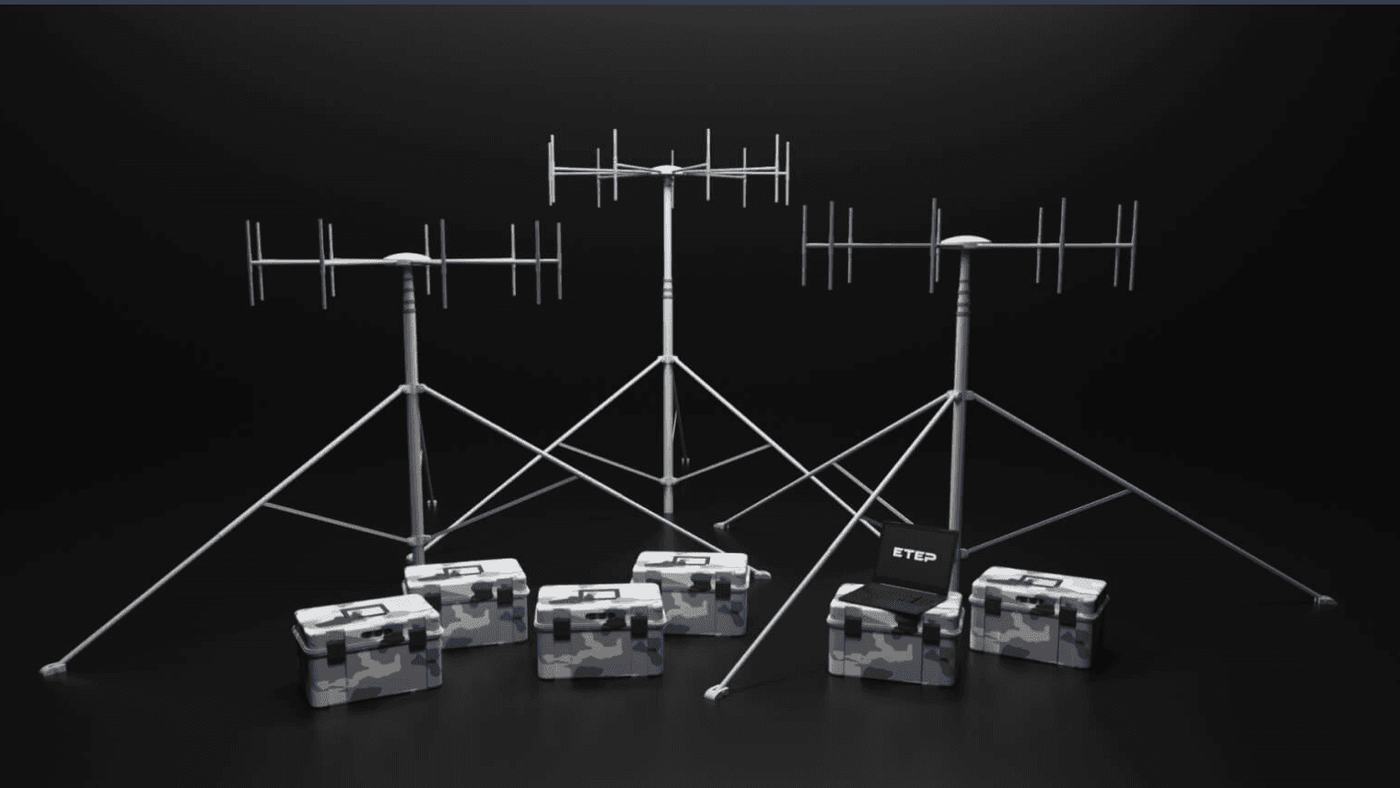
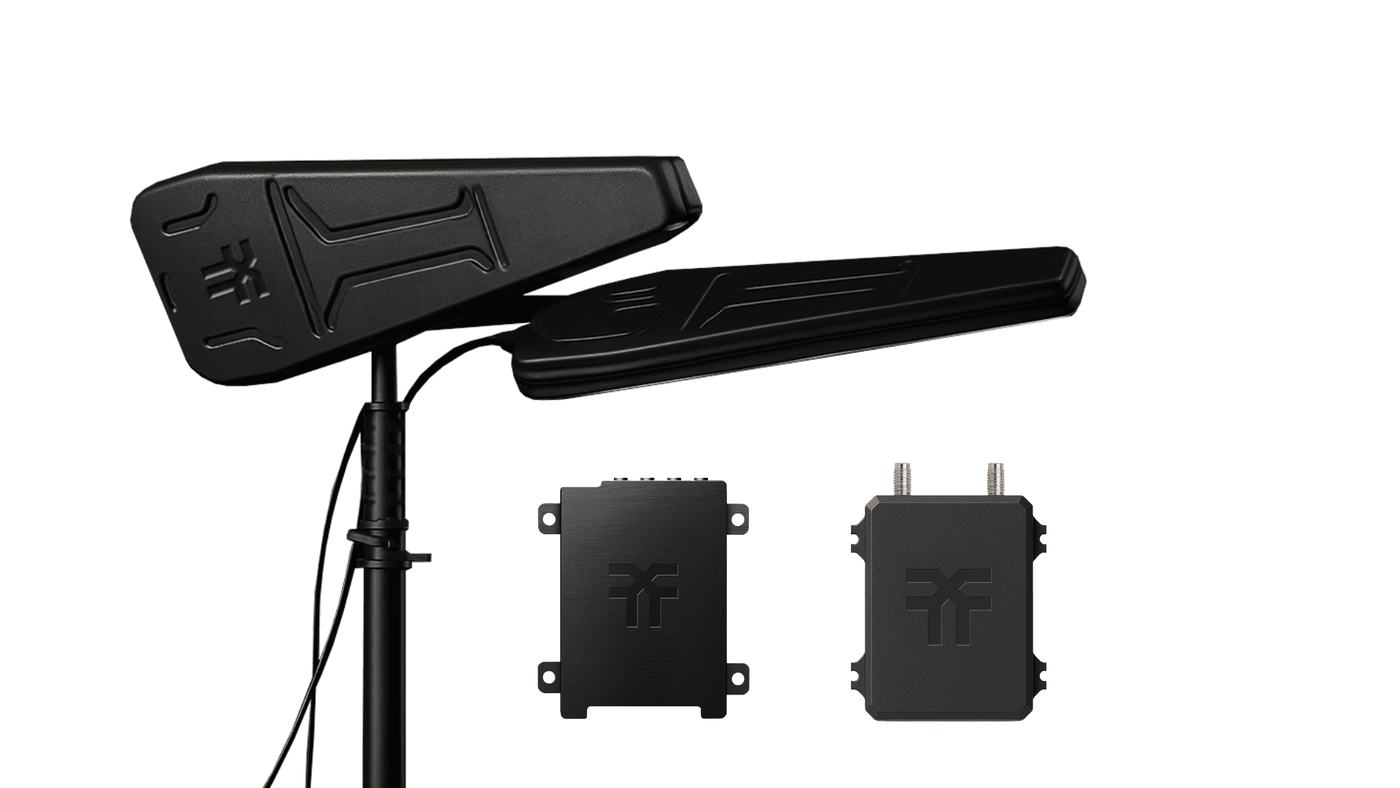
MaXon combines battlefield traction with a clear path to autonomy at scale. The team reports 16 km proven detection with its Detection & Tracking Unit, multiple real-target contacts in automatic guidance mode, and active collaboration with multiple combat units. MaXon System V1 is positioned as commercially ready, while last-mile terminal guidance progresses through testing.
The roadmap is shaped by the constraint that matters most: high-volume defense. That includes multi-interceptor control, remote command-center operations, and all-weather terminal guidance, including FMCW radar integration work already underway with a large EU automotive partner.
In the news
- Scroll.media · February 2026Ukrainian Deftech Startup MaXon Secures Investment from Green Flag Ventures